Healthy Meal Prep: The Ultimate Guide for Busy Professionals
Modern professionals juggle demanding schedules, long work hours, meetings, and personal responsibilities. In that whirlwind, nutrition is often the first thing to suffer. That’s where healthy meal prep becomes a game-changer. By planning and preparing meals in advance, professionals can take control of their health, productivity, and time—without sacrificing flavor or flexibility.

This comprehensive guide is designed specifically for professionals who want practical, realistic, and sustainable strategies. You’ll learn not just what to prep, but how to make healthy meal prep fit seamlessly into a busy professional lifestyle.
Why Healthy Meal Prep Matters for Professionals
Time Constraints and Workplace Stress
Professionals often operate under tight deadlines, packed calendars, and mental fatigue. When lunch decisions are left to the last minute, convenience wins—usually in the form of fast food, vending machines, or heavily processed meals. Over time, these habits contribute to energy crashes, poor concentration, and long-term health risks.
Healthy meal prep removes daily decision-making. Instead of scrambling to find food, you already know what you’ll eat. This mental relief is especially valuable during high-stress workweeks.
The Link Between Nutrition and Productivity
There is strong evidence from organizations like the World Health Organization that balanced nutrition supports cognitive performance, mood regulation, and sustained energy. Meals rich in lean protein, complex carbohydrates, and healthy fats help stabilize blood sugar, which directly impacts focus and productivity.
For professionals, this means fewer afternoon slumps, better meeting performance, and more consistent energy throughout the day.
Benefits of Healthy Meal Prep for a Professional Lifestyle
Saves Time During the Workweek
One to two hours of prep on a weekend can save five to seven hours during the workweek. No daily cooking, no standing in line, and no debating food choices. That reclaimed time can go toward career growth, family, exercise, or rest.
Supports Energy, Focus, and Mental Clarity
Prepared meals are intentionally balanced. Unlike impulsive food choices, they’re designed to fuel your body and brain. Professionals who consistently meal prep often report sharper focus in meetings and fewer energy dips.
Reduces Reliance on Processed or Takeout Foods
Restaurant meals often contain excess sodium, unhealthy fats, and hidden sugars. Healthy meal prep gives you full control over ingredients, portions, and cooking methods—without eliminating enjoyment.
Core Principles of Healthy Meal Prep
Balanced Macronutrients Explained
At the heart of healthy meal prep is balance. Each meal should ideally include:
Protein, Carbohydrates, and Healthy Fats
-
Protein: Supports muscle, satiety, and stable energy (e.g., chicken, fish, tofu, beans).
-
Carbohydrates: Provide fuel for the brain and body (e.g., brown rice, quinoa, sweet potatoes).
-
Healthy fats: Aid nutrient absorption and fullness (e.g., olive oil, avocado, nuts).
A balanced plate helps professionals avoid blood sugar spikes that lead to fatigue.
Portion Control for Sedentary vs Active Professionals
Not all professionals have the same energy needs. A desk-based worker may need smaller carbohydrate portions than someone who walks frequently or exercises daily. Healthy meal prep allows you to customize portions instead of relying on one-size-fits-all meals.
How to Plan a Healthy Meal Prep Week
Choosing Recipes That Fit a Work Schedule
The best meal prep recipes for professionals share three traits:
-
Simple ingredients
-
Short cooking time
-
Good reheating quality
Think roasted proteins, grain bowls, stir-fries, and soups. Avoid recipes that require daily assembly or last-minute cooking.
Creating a Smart Grocery List
A well-planned grocery list prevents impulse buying and food waste. Organize it by category:
-
Proteins
-
Vegetables
-
Grains
-
Healthy fats
-
Seasonings
Budget-Friendly vs Premium Ingredients
Healthy meal prep works at any budget level. Frozen vegetables, dried beans, and seasonal produce are cost-effective, while premium proteins like salmon or grass-fed beef can be rotated in when budget allows.
Best Foods for Healthy Meal Prep
Lean Proteins That Reheat Well
-
Chicken breast or thighs
-
Turkey mince
-
Hard-boiled eggs
-
Tofu and tempeh
-
Lentils and chickpeas
These proteins maintain texture and flavor even after reheating.
Complex Carbohydrates for Long-Lasting Energy

-
Brown rice
-
Quinoa
-
Oats
-
Sweet potatoes
-
Whole-grain pasta
They digest slowly, keeping professionals full and energized longer.
Vegetables That Stay Fresh All Week

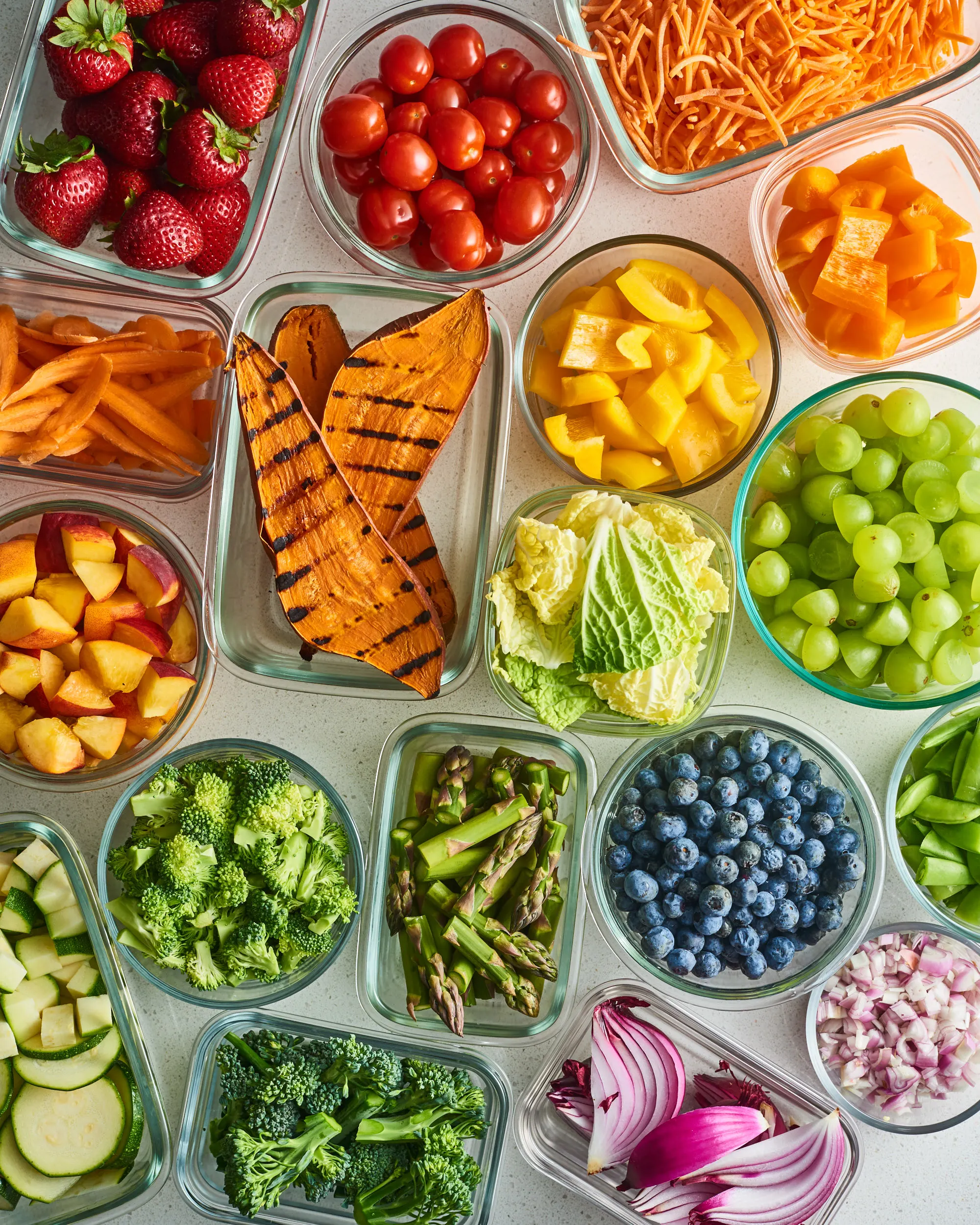
Roasted or steamed vegetables like broccoli, carrots, bell peppers, zucchini, and green beans hold up well in the fridge and add color, fiber, and micronutrients.
Healthy Meal Prep for Different Work Styles
Office-Based Professionals
Office workers benefit from meals that are easy to transport and reheat. Think grain bowls, salads with protein, and leftovers that don’t have strong odors.
Remote Workers and Home Offices
Remote professionals have more flexibility. Healthy meal prep can include partially prepped ingredients—washed vegetables, cooked grains, or marinated proteins—allowing fresh assembly during breaks.
Frequent Travelers and Consultants
Traveling professionals can prep freezer-friendly meals before trips and rely on portable options like wraps, protein boxes, and shelf-stable snacks.
Tools and Containers That Make Meal Prep Easier
Glass vs Plastic Meal Prep Containers
-
Glass: Durable, non-toxic, microwave-safe, heavier
-
Plastic: Lightweight, affordable, less durable
Many professionals prefer glass for longevity and food safety.
Kitchen Tools That Save Time
-
Sharp chef’s knife
-
Sheet pans for batch roasting
-
Slow cooker or pressure cooker
-
Food scale for portion control
These tools significantly reduce prep time.
Common Healthy Meal Prep Mistakes (and How to Avoid Them)
Over-Restrictive Planning
Eliminating favorite foods often leads to burnout. Healthy meal prep should include flexibility—occasional treats or variety keep habits sustainable.
Ignoring Flavor and Variety
Bland meals lead to skipped lunches and takeout. Use herbs, spices, sauces, and different cuisines to keep meals exciting.
Sample Healthy Meal Prep Plan for Professionals
5-Day Workweek Meal Prep Example
| Meal | Example |
|---|---|
| Breakfast | Overnight oats with berries and nuts |
| Lunch | Grilled chicken, quinoa, roasted vegetables |
| Dinner | Salmon, sweet potato, steamed greens |
| Snacks | Greek yogurt, fruit, mixed nuts |
Breakfast, Lunch, Dinner, and Snacks
This structure ensures consistent energy from morning meetings to evening tasks.
Food Safety and Storage Best Practices
Refrigeration and Freezing Guidelines
-
Refrigerated meals: 3–5 days
-
Frozen meals: up to 3 months
-
Always cool food before sealing containers
How Long Meal Prep Foods Last
Label containers with prep dates to avoid guesswork. When in doubt, throw it out—food safety supports long-term consistency.
Expert Tips to Stay Consistent with Healthy Meal Prep
Habit Formation for Professionals
Schedule meal prep like a meeting. Consistency matters more than perfection.
Using Automation and Reminders
Calendar reminders, grocery delivery apps, and rotating menus reduce friction and keep healthy meal prep effortless.
Frequently Asked Questions About Healthy Meal Prep
Is healthy meal prep suitable for long work hours?
Yes. It reduces decision fatigue and ensures access to nutritious meals even during extended workdays.
How many days should I prep meals in advance?
Most professionals prep 3–5 days to balance freshness and convenience.
Can healthy meal prep support weight management?
Absolutely. Controlled portions and balanced meals make calorie management easier.
What are the best meal prep options for office lunches?
Grain bowls, salads with protein, and reheatable leftovers work best.
How do professionals keep meal prep from getting boring?
Rotate recipes, cuisines, and seasonings weekly.
Is meal prepping expensive for professionals?
No. It often costs less than daily takeout and reduces food waste.
Conclusion: Making Healthy Meal Prep a Sustainable Professional Habit
Healthy meal prep isn’t about perfection—it’s about preparation. For professionals, it offers a powerful way to protect health, sharpen focus, and reclaim time in an otherwise demanding lifestyle. By applying the strategies in this guide, healthy meal prep becomes less of a chore and more of a long-term investment in personal and professional success.