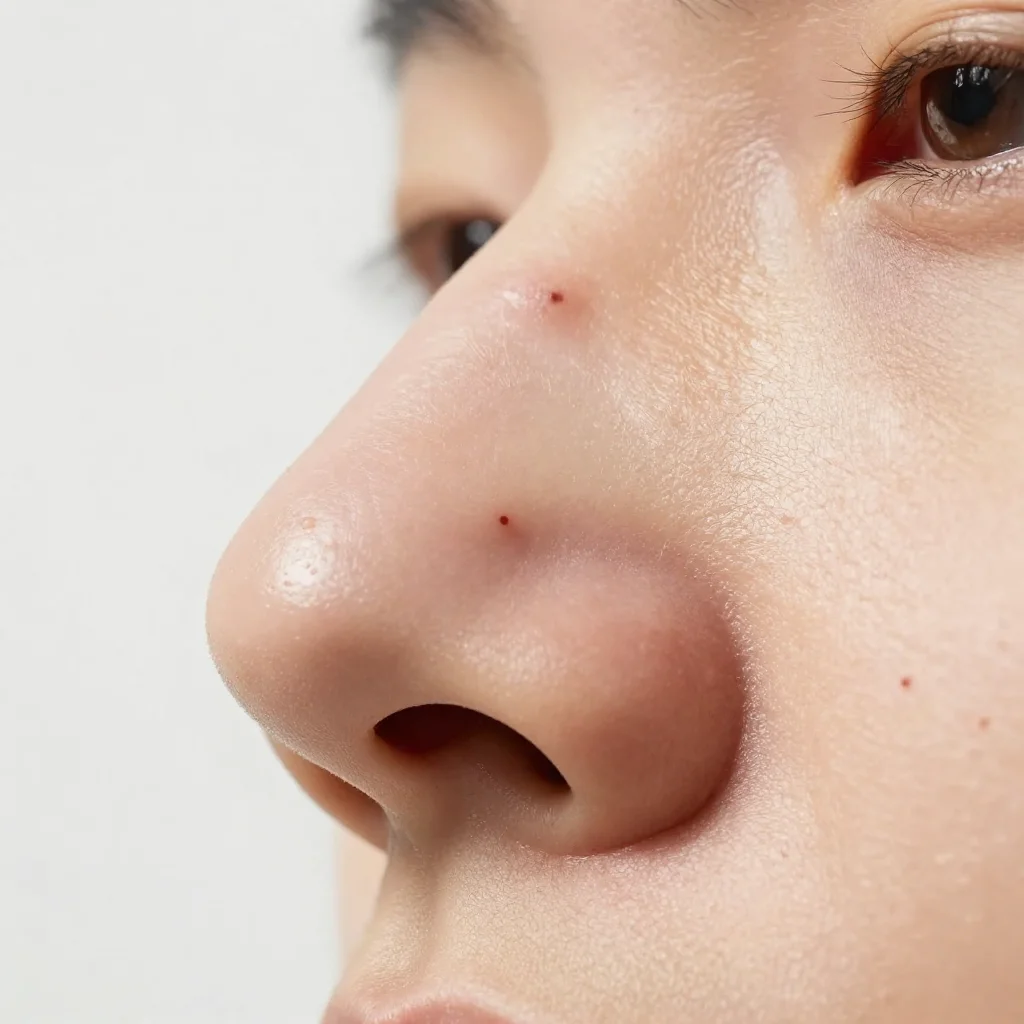
Ever look in the mirror and wonder, “What is that?” when a new blemish pops up? Trying to figure out the best anti acne strategy can feel like a guessing game if you don’t know what you’re actually dealing with. Let’s be real, acne isn’t just one thing; it shows up in various forms, and understanding these differences is key to treating your skin effectively. Knowing your enemy – or, well, your pimple – helps you choose the right approach for clearer, happier skin.
What Exactly Is Acne, Anyway?
Before we dive into the specific types, it’s good to get a quick overview of what acne is. Basically, acne is a super common skin condition that happens when your hair follicles get clogged with oil (sebum), dead skin cells, and bacteria. This can lead to a whole range of bumps and blemishes. Many different factors can contribute to acne, like hormones, genetics, and even environmental triggers like stress or certain skincare products.
related article: Know the Reason Behind Acne – And Then Solve It
The Non-Inflammatory Crew: Blackheads and Whiteheads
These are often the first signs of acne and are generally considered less severe because they don’t involve inflammation in the same way deeper blemishes do.
Blackheads (Open Comedones)
Imagine a tiny pore that’s gotten clogged with sebum and dead skin cells, but the opening to the skin is still, well, open. That’s a blackhead! The dark color isn’t actually dirt, so don’t feel like you haven’t washed your face enough! Instead, it’s caused by the oil and debris reacting with air (oxidizing), similar to how an apple turns brown when you cut it open. These usually feel like small, dark dots or bumps on your skin.
Whiteheads (Closed Comedones)
Now, if that same pore gets clogged but the opening to the skin is still closed off by a thin layer of skin, you get a whitehead. They look like small, skin-colored or whitish bumps. Since they’re sealed off, the contents aren’t exposed to air, so they don’t oxidize and turn dark like blackheads.
The Inflammatory Bunch: Papules, Pustules, Nodules, and Cysts
These types involve inflammation, meaning your body is reacting to the clogged pore and bacteria, often leading to redness, tenderness, and sometimes pain.
Papules: The Red Bumps
A papule is a small, solid, red, and often tender bump on your skin. They form when a clogged pore becomes inflamed. Unlike pustules, papules don’t have a visible pus-filled center. They might feel a bit warm to the touch and can be painful.
Pustules: The Classic Pimple
This is probably what most people think of when they picture a “pimple.” A pustule is a red, inflamed bump that has a noticeable white or yellowish center filled with pus. They’re essentially papules that have progressed and filled with pus, which is a mix of dead white blood cells, bacteria, and tissue. You really want to avoid picking or squeezing these, as that can lead to scarring or spread the infection.
Nodules: The Deep-Seated Hard Lumps
When acne goes deeper into the skin, you might encounter nodules. These are large, solid, and often painful lumps that form beneath the skin’s surface. Unlike pustules, they’re typically hard and don’t contain pus that can be easily squeezed out. Nodules can persist for weeks or even months and are a more severe form of acne.
Cysts: The Most Severe Form
Cysts are considered one of the most severe forms of acne. They are large, painful, fluid-filled (often pus-filled) lesions that develop deep within the skin. They feel softer and more squishy to the touch than nodules and can cause significant pain and scarring. If you suspect you have cystic acne, it’s really best to see a dermatologist, as these typically won’t go away with over-the-counter treatments and require professional care to prevent long-term damage.
related article: Easy Methods Of Curing Your Acne In A Short Period Of Time
Why Knowing the Difference Matters for Your Anti-Acne Efforts
Understanding these different types of blemishes isn’t just for showing off your skin-savvy knowledge; it’s crucial for effective treatment. What works for a simple blackhead won’t cut it for a deep, painful cyst. Using the wrong products can even make your acne worse or cause irritation.
- Topical Treatments: Mild acne like blackheads and whiteheads often respond well to over-the-counter solutions with ingredients like salicylic acid or benzoyl peroxide.
- When to See a Pro: For persistent papules, pustules, and especially for nodules and cysts, a dermatologist can offer stronger prescription medications, in-office procedures, or oral treatments to manage and prevent scarring. They can help you tailor a specific anti acne plan.
Conclusion: Your Path to Clearer Skin
Navigating the world of acne can feel overwhelming, but by understanding the distinctions between blackheads, whiteheads, papules, pustules, nodules, and cysts, you’re already one step closer to clearer skin. Remember, consistency in your skincare routine, choosing appropriate products, and knowing when to seek professional help are all vital components of a successful anti-acne journey. Don’t be afraid to chat with a dermatologist if your acne is stubborn or severe – they’re there to help you find the best solutions!